
The Ultimate Guide to Fundraising Documents for Startups

Raising capital is one of the most pivotal milestones for any startup. For founders navigating the early stages of fundraising, understanding the nuances and key terms of a SAFE vs convertible note is critical, as missteps can lead to a messy cap table and future headaches during your priced round. This comprehensive guide will walk you through the essential fundraising documents, explain the mechanics of each funding round, and highlight the critical clauses and “gotchas” that every founder must grasp before signing a term sheet.
Introduction to Fundraising Instruments
At the pre-seed and seed stages, startups often raise capital through convertible securities rather than priced equity rounds. The two most commonly used instruments are:
- SAFE (Simple Agreement for Future Equity)
- Convertible Notes
These instruments allow startups to raise funds quickly without having to determine a valuation immediately. However, while they serve similar functions, they differ significantly in structure, legal implications, and investor rights.
Read more about How SMEs can use AI to Draft Sponsorship Contracts
SAFE vs Convertible Note: Key Differences
Understanding the distinction between a SAFE vs convertible note is critical for founders. Here’s a breakdown of the most important differences:
1. Legal Structure
- SAFE: Not a debt instrument. It’s a contract that converts to equity under specific conditions.
- Convertible Note: A form of debt that accrues interest and has a maturity date.
2. Interest and Maturity
- Convertible Note:
- Typically includes interest (5–8% annually).
- Has a maturity date (usually 12–24 months), after which repayment or conversion is triggered.
- SAFE:
- No interest.
- Typically has no maturity date and remains outstanding until a conversion event. But investors may request a maturity date be added to a SAFE to create a timeline for a liquidity event.
3. Conversion Triggers
- SAFE: Converts upon a priced equity round or liquidity event.
- Convertible Note: Typically converts upon a qualified financing. At maturity, the investor may have the right to demand repayment, or the note may convert based on pre-negotiated terms.
4. Investor Protections
- Convertible Notes may include default provisions, giving investors more leverage.
- SAFEs are simpler and more founder-friendly but may lack certain investor protections.
5. Complexity and Legal Costs
- SAFE: Simpler, cheaper to draft, and faster to close.
- Convertible Note: More complex, potentially requiring more negotiation and legal review.
Important Clauses in Startup Fundraising Documents
Regardless of the instrument, certain clauses dramatically impact the startup’s future. Founders must understand these terms to avoid unpleasant surprises.
🔑 Key Clauses to Understand
1. Valuation Cap
The valuation cap sets the maximum valuation at which the instrument converts. It protects early investors from dilution if the company’s valuation skyrockets.
Pro Tip: A lower cap favors investors. Negotiate a fair cap based on traction, team, and market size
2. Interest Rate (Convertible Notes Only)
Convertible notes accrue interest, which can either convert into equity or be repaid. Typical rates range from 2% to 8%.
3. Maturity Date (Convertible Notes Only)
The maturity date is the deadline for conversion or repayment. If no priced round occurs before this date, the investor may demand repayment or force conversion.
4. Pro-Rata Rights
Pro-rata rights allow investors to maintain their ownership percentage in future rounds. These are especially important to institutional investors.
5. Triggered Conversion
Some instruments convert automatically upon certain events, such as:
- Qualified financing
- Acquisition
- IPO
Make sure you understand what triggers conversion and at what terms.
Term Sheet “Gotchas” First-Time Founders Must Understand
A term sheet is a non-binding agreement outlining the key terms of an investment. While it may seem straightforward, several provisions can significantly affect control, dilution, and future fundraising.
⚠️ Common “Gotcha” Provisions
- Liquidation Preference:
- Determines how proceeds are distributed in a sale or liquidation.
- A 1x non-participating preference is standard, but participating preferences can be punitive.
- Anti-dilution Protection:
- Protects investors from dilution in down rounds.
- Full ratchet vs. weighted average (the former is more aggressive).
- Board Control:
- Investors may request board seats, affecting governance and decision-making.
- Veto Rights / Protective Provisions:
- Allow investors to block certain corporate actions (e.g., selling the company, issuing new shares).
- Information Rights:
- Give investors access to financials, budgets, and other company data.
Read more about our Founders’ Guide with AI Templates
Series Funding Rounds Explained
Understanding how series funding rounds work is crucial for planning your startup’s capital strategy.
Seed Round
- Often raised via SAFE or convertible notes, which defer the formal valuation until the next round. However, the valuation cap serves as a key metric for dilution. Priced seed rounds with a formal valuation are also common.
- No formal valuation
- Documents: SAFE/Note, Cap Table, Investor Agreements
Series A
- First priced round
- Valuation negotiated
- Preferred shares issued
- Documents:
- Stock Purchase Agreement (SPA)
- Amended & Restated Certificate of Incorporation
- Investor Rights Agreement
- Voting Agreement
- Right of First Refusal and Co-Sale Agreement
- Diligence Checklist
Series B and Beyond
- Larger checks, institutional investors
- More complex governance
- Increased scrutiny on financials and IP
Use DocLegal.ai
Navigating the legal landscape of startup fundraising is no small feat. That’s where DocLegal.ai comes in.
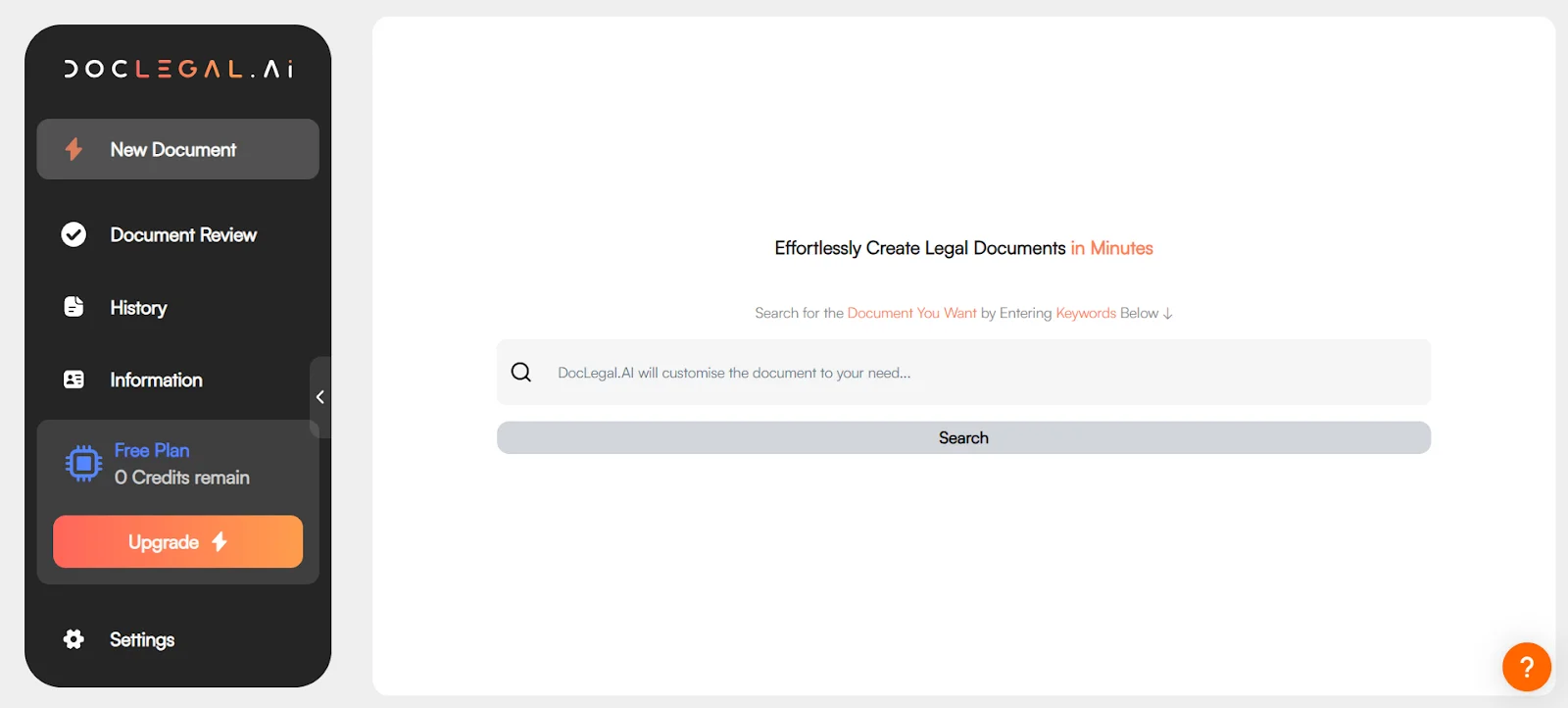
Why Use DocLegal.ai?
- 🧠 AI-powered document generation & review
- 📄 Ready-to-use templates for startups
- 🔍 Clause analysis and risks detection
Whether you're drafting your first SAFE or negotiating a Series A term sheet, DocLegal.ai is your legal assistant.
